








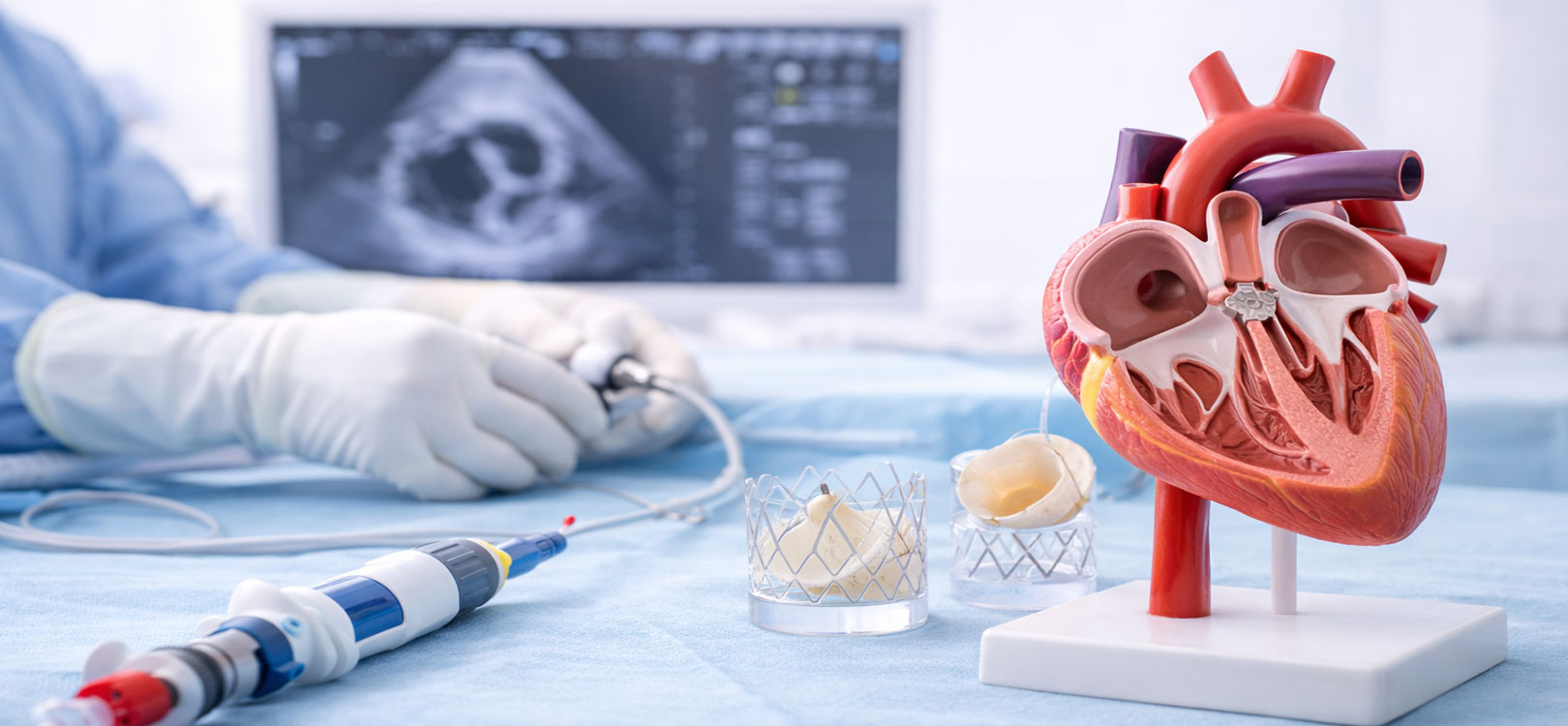
Structural heart disease refers to abnormalities in the heart’s structure such as the heart valves, walls, chambers, or blood vessels connected to the heart. These conditions may be present from birth (congenital) or develop later in life due to aging or disease. Structural Heart Disease Therapies focus on diagnosing and treating conditions like septal defects, valve abnormalities, and congenital heart defects using advanced surgical and minimally invasive catheter-based procedures. These treatments help restore normal heart function and improve overall cardiovascular health.
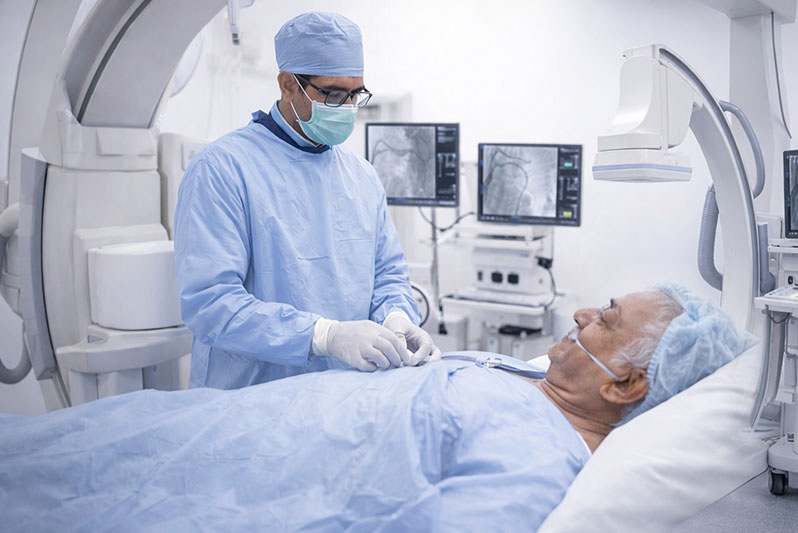
Our cardiology specialists provide comprehensive care for structural heart disorders using advanced imaging and minimally invasive treatment techniques. Personalized treatment plans are designed to correct structural abnormalities, improve blood circulation, and enhance the patient’s quality of life.
- Treatment for atrial septal defect (ASD) and ventricular septal defect (VSD).
- Advanced therapies for congenital heart defects.
- Repair and replacement procedures for damaged heart valves.
- Minimally invasive catheter-based closure procedures.
Who needs Structural Heart Disease Therapies?
Structural heart disease therapies are recommended for patients diagnosed with abnormalities in the heart’s structure such as septal defects, congenital heart defects, or valve disorders. These conditions can disrupt normal blood flow and place extra strain on the heart if left untreated. Early diagnosis and appropriate treatment can prevent complications and significantly improve heart function. Our specialists evaluate each patient carefully to determine the most effective treatment approach.
Structural heart disease refers to abnormalities in the heart’s valves, chambers, walls, or major blood vessels that affect normal heart function.
Septal defects are holes in the wall separating the chambers of the heart, such as atrial septal defect (ASD) or ventricular septal defect (VSD).
Yes, many structural heart conditions can now be treated using catheter-based procedures that avoid major surgery and allow quicker recovery.
Doctors use echocardiography, CT scans, MRI, and other imaging tests to identify structural abnormalities in the heart.
You can book an appointment with our cardiology specialists to evaluate your condition and discuss the most appropriate treatment options.
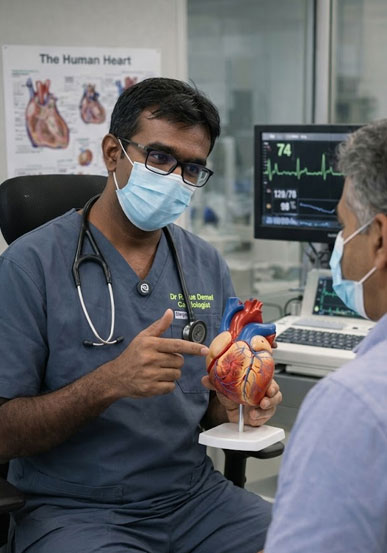
Emergency Cardiac Care 24/7
Our specialists provide comprehensive treatment for structural heart disorders including septal defects, valve abnormalities, and congenital heart diseases using advanced technologies and expert care.